
Ex-Display and Ex-Sample Wedding Dresses: Designer Bridal on a Budget
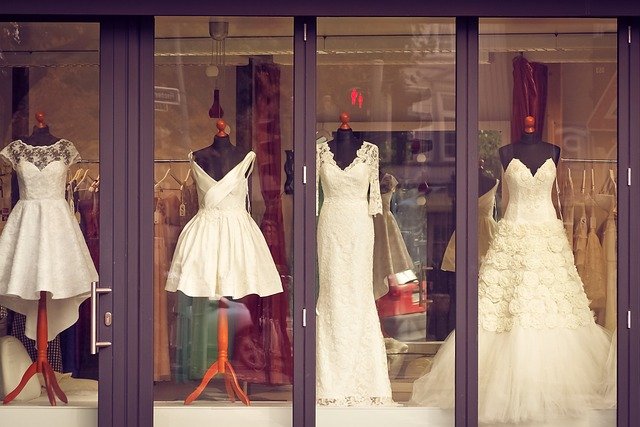
Wedding dresses are one of the best-value things to buy ex-sample, since bridal shops carry gowns for brides to try and then sell them on once a new season arrives. A sample gown has been tried on in the shop rather than worn for a day, so condition is generally excellent. For a lot of brides this is the only sensible way to get into a designer name, because the difference between a sample price and a full order can run into four figures. Here is how it works and how to shop it well.
How bridal sample sales work
Every bridal boutique keeps a rail of sample gowns. These are the dresses you try on at your appointment, ordered by the shop in one or two representative sizes so brides can see and feel the real thing before placing an order. When a designer brings out a new collection, the shop needs the rail space, so the old samples are sold off, often at a sample sale event or as individual clearance listings.
That is the key point to understand. A sample is not a used wedding dress. It has been tried on by other brides over a season, then sold on before it was ever worn to a wedding. The gown itself is the same designer piece you would otherwise order new, just without the wait and without the new-order price.
You will also see the terms ex-display and ex-demo used for the same thing. All mean a gown that has lived on a shop floor rather than in someone's wardrobe.
What condition to expect
Most sample gowns are in very good order, but they have been handled, so go in with clear eyes. Common signs of shop life include:
- Light marks along the hem. From being tried on over shop floors. These often clean up completely with a professional bridal clean.
- Make-up or tan traces near the neckline. Again, usually removable by a specialist cleaner.
- Slightly loosened fastenings. Zips, hooks and buttons that have seen repeated use. Easy and cheap to refresh.
- Faint underarm marks. Normal on any tried-on garment and typically cleanable.
None of this should put you off. Factor the cost of a professional bridal clean into your budget from the start, usually a modest sum against what you have saved, and most samples come up beautifully. What you want to check carefully is the structural condition: boning, beadwork and lace should be intact, since those are the costly things to repair. Ask the seller for close photos of any beading and the hem before you commit.
Sizing: the part that trips people up
This is where sample shopping needs a little thought. Boutiques stock samples in a limited size range, often a UK 10 to 14 or a 16 to 18, because those sizes fit the widest span of brides for a try-on. So the gown you fall for may not be your exact size to begin with.
A few things are worth knowing:
- Bridal sizing runs small. Designer bridal is often cut one or two sizes below high-street sizing, so do not judge by the label. Go by the actual measurements: bust, waist and hips.
- Taking a dress in is straightforward. A good seamstress can take a gown in by a size or two comfortably. If a sample is slightly large, that is the easy direction to alter.
- Letting a dress out is harder. There is only so much seam allowance to work with, so buying something too small is the riskier bet. When in doubt, size up and take it in.
Budgeting for alterations
Almost every wedding dress is altered to fit, whether bought new or ex-sample, so alterations are not an extra cost unique to buying a sample. Expect to pay for a hem, a nip at the waist and bust, and possibly a bustle to lift the train for the evening. Set aside a realistic sum for this and build it into your total from the outset.
Even with cleaning and alterations added on, an ex-sample designer gown usually lands well below the price of the same dress ordered new. The saving is largest on the higher-end labels, where the retail markup is steepest, so a designer name is exactly where sample shopping makes the most sense.
How much can you actually save
It varies by designer and how recent the collection is, but sample and ex-display gowns commonly sell at a good deal less than their original order price, and sometimes far less if a shop is clearing an older season quickly. Add the modest cost of a clean and alterations and you are still comfortably ahead, often by a four-figure sum on a designer piece. For anyone who wants the gown without the full outlay, it is hard to beat.
Shopping smart
- Know your measurements before you look. Bust, waist and hips in centimetres. It saves time and disappointment.
- Ask for detailed photos. Hem, underarms, beading and any fastenings. A straight seller will happily provide them.
- Build in clean and alteration costs. Then compare the true total against a new order to see your real saving.
- Do not rush the fit. Give yourself time for at least one round of alterations before the day.
A sample gown gives you the designer dress you actually want at a price that leaves budget for the rest of the day. Have a browse through the ex-display wedding dresses to see what is available, or the wider clothing section for the rest of the wedding party.