
Flat-Pack, Assembled or Ex-Display: An Honest Comparison

Every piece of furniture you buy arrives in one of three states. It comes flat in a box for you to build, it comes built and ready to place, or it comes ex-display, already assembled and already stood in a showroom. Each has its place, and the trick is knowing which one suits the piece you are buying and the room it is going in.
Flat-pack: what you gain and what you give up
Flat-pack is cheap for good reasons. A box of flat panels stacks tight on a pallet, ships without a van full of air, and stores in a warehouse at a fraction of the space an assembled item needs. Those savings land in the price, which is why flat-pack is the default for anyone furnishing a first flat or kitting out a room on a tight budget.
The trade-offs are worth being honest about. You provide the labour, and an evening with an allen key is not everyone's idea of well spent. The materials are often chipboard or MDF with a printed foil wrap, which looks fine but does not love being taken apart and rebuilt. Cam-lock fixings loosen over time, and once a flat-pack unit has been flexed across a room or up a flight of stairs it rarely feels as solid again.
For some things, flat-pack is genuinely the right answer. A bookcase that will sit against a wall and never move is a sensible flat-pack buy. A chest of drawers that a child will yank at every day is asking more of those fixings than they can comfortably give.
Assembled furniture: solid, but you pay for it
Furniture that arrives built is usually made to a higher standard. The joints can be glued and dowelled rather than held by a bolt you tightened yourself, and solid timber or a proper veneer feels different under the hand from a foil wrap. It is ready the moment it comes through the door, which matters if you have neither the time nor the patience for a build.
The catch is cost and delivery. You pay more for the piece, more for the larger delivery, and you need the access to get a fully built wardrobe up the stairs and round the landing. That last point catches people out. A built wardrobe that will not go round a tight turn is a problem a flat-pack one never has.
Where ex-display comes in
Ex-display sits in an interesting spot. It is assembled furniture, built to the standard of the piece, but sold at a price closer to flat-pack because it has already done its job on a showroom floor. You get the solid construction and the ready-to-place convenience without paying the full new-and-boxed price.
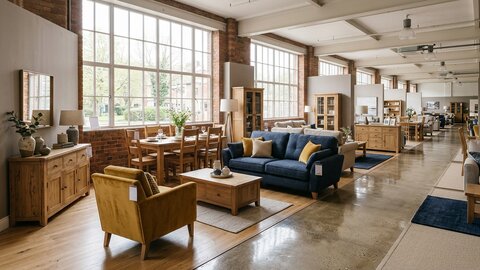
The furniture section is where this shows up across the board. A display piece has been built by the showroom's own fitters, which usually means it went together properly, and it has stood in a controlled space rather than been hauled about. The wear tends to be light and honest: a scuff on a corner, a mark on a shelf, the sort of thing a listing will tell you about.
Wardrobes are the clearest case
A wardrobe is where the argument for assembled ex-display is strongest. A big flat-pack wardrobe is one of the harder builds in the house, with heavy panels, long runs that need to stay square, and doors that must line up or they will annoy you every single day. Buy that same wardrobe ex-display from the wardrobes range and someone has already done the awkward part, checked it stands true, and hung the doors straight. You just need to get it home and into place.
Sofas were never really flat-pack anyway
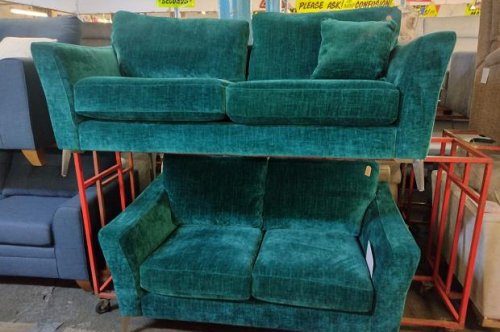
Upholstery is the other clear win. A sofa is not something you build from a box in any meaningful sense, and the ones that do split into modules are the exception. Buying from the sofas and chairs range ex-display gets you a proper piece of upholstered furniture, frame and filling and cover all done, at a price the same sofa would never carry when new. Display sofas have been sat on by browsing shoppers rather than lived on, so most have plenty of life left.
Longevity over the years
This is where the differences show up slowly. A well-made assembled piece, whether bought new or ex-display, tends to still be doing its job in ten years. Flat-pack has a shorter honest lifespan, particularly if it gets moved. The foil surfaces chip at the edges, the fixings work loose, and a house move is often the point at which a flat-pack unit gives up.
None of that makes flat-pack a mistake. It makes it a different tool. If you expect to move often, replace things as your taste changes, or furnish a room you are not precious about, flat-pack does the job for less. If you want a piece to stay put and stay solid, assembled or ex-display earns its keep.
How to choose for each piece
- Buying something big or complex to build, like a wardrobe? Lean towards assembled or ex-display.
- Something small, light and destined for one spot against a wall? Flat-pack is fine.
- Want solid construction without the full new price? Ex-display is the middle path.
- Short on time, tools or patience? Anything pre-built saves you the evening.
- On the tightest budget for a short-term room? Flat-pack still wins on price alone.
There is no single right answer, only the right answer for the piece in front of you. Browse the wider home interiors range with that in mind, and you will often find an assembled ex-display piece sitting at a price you assumed only flat-pack could reach.